
Industry Trends
Hot-Shot vs. Traditional Freight: Where the Margins Live
Both move goods. Their economics are very different. A side-by-side look at cost, speed, and margin.
Read articleIndustry Trends
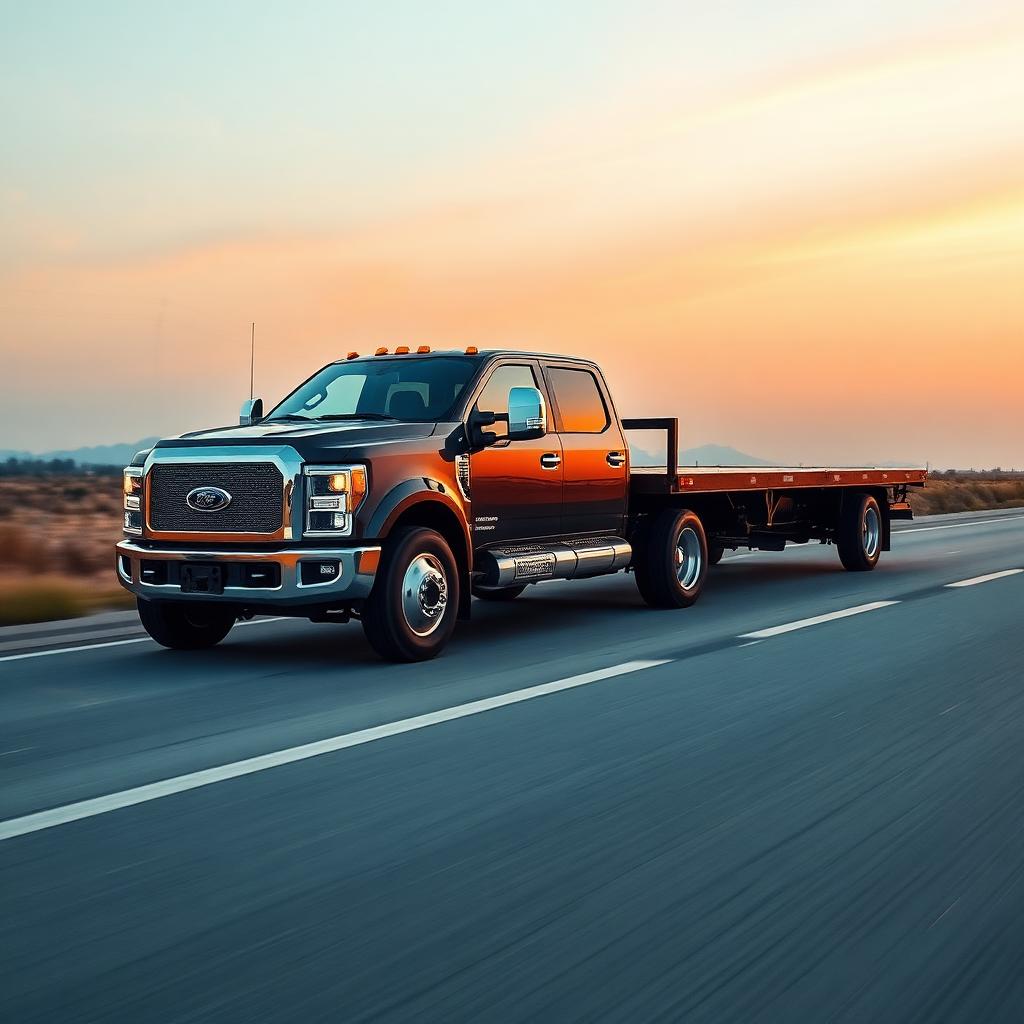
Hot-shot is the most accessible corner of commercial freight. Here's how it works and why it matters.
Hot-shot trucking is the practice of hauling smaller, time-sensitive freight loads with a medium-duty pickup truck and a gooseneck or bumper-pull flatbed trailer. It sits between the parcel world and full Class 8 tractor-trailer freight — fast, flexible, and well-suited to loads that don't fill a 53-foot dry van but still need to move on a schedule.
A hot-shot rig is usually a one-ton dually pickup paired with a 30- to 40-foot flatbed gooseneck trailer. Drivers pick up freight from manufacturers, construction sites, oilfields, equipment dealers, and increasingly from load boards serving the same shippers who use traditional trucking. Most loads move within a region, and many operators run dedicated lanes.
For investors, hot-shot offers stronger monthly cash flow than a typical rental property without the landlord work. For operators, it's a real path into the freight industry without taking on the capital and complexity of a full tractor-trailer. And for shippers, it fills a gap that bigger trucks were never built to serve.
Hot-shot isn't a fad — it's a structural piece of how freight moves in the United States, and it's only getting more important as supply chains keep getting more granular.
More from Education
Industry Trends
Both move goods. Their economics are very different. A side-by-side look at cost, speed, and margin.
Read articleIndustry Trends
Per-mile rates move every week. Here's what actually drives them and how operators read the market.
Read articleIndustry Trends
Spot loads pay the bills. Repeat customers build the business. Here's how dedicated lanes happen.
Read article