
Industry Trends
What Is Hot-Shot Trucking? An Industry Primer
Hot-shot is the most accessible corner of commercial freight. Here's how it works and why it matters.
Read articleIndustry Trends
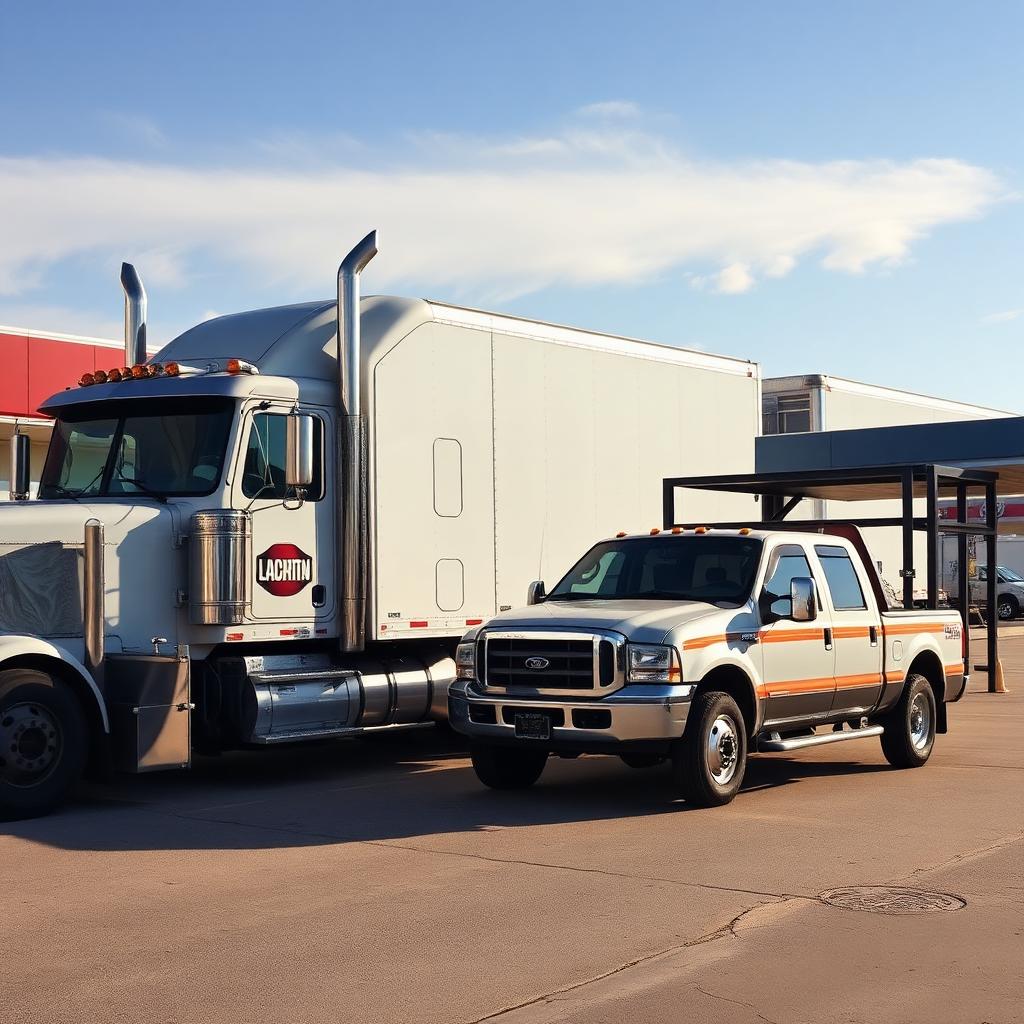
Both move goods. Their economics are very different. A side-by-side look at cost, speed, and margin.
On paper, hot-shot and traditional over-the-road trucking do the same thing — they move freight from point A to point B for a per-mile rate. In practice, the economics behind the wheel are very different, and understanding that difference is the first step to thinking clearly about hot-shot as an asset.
A new Class 8 sleeper tractor and 53-foot dry van trailer comfortably runs north of $200,000. A well-spec'd hot-shot rig — a one-ton dually plus a flatbed gooseneck — typically lands between $90,000 and $130,000. That gap matters: it changes the financing math, the insurance posture, and how fast the asset can begin earning.
Per-mile rates are lower for hot-shot than for full truckload, but operating costs drop faster than the rate does. The result is a respectable per-mile margin on regional, time-sensitive freight — particularly when an operator runs dedicated lanes or partners with a dispatch team that knows where the right loads are.
Hot-shot can't haul a full truckload of pallets. It's not the right tool for every freight need. But for partial loads, equipment, building materials, and time-sensitive direct freight, it's frequently the most efficient option on the road — and that's where the margin compounds.
More from Education
Industry Trends
Hot-shot is the most accessible corner of commercial freight. Here's how it works and why it matters.
Read articleIndustry Trends
Per-mile rates move every week. Here's what actually drives them and how operators read the market.
Read articleIndustry Trends
Spot loads pay the bills. Repeat customers build the business. Here's how dedicated lanes happen.
Read article