Compliance
Understanding Motor Carrier Authority (MC/DOT) for Asset Owners
Authority is the legal license to move freight. Here's what it is, who holds it, and why it matters to investors.
Read articleCompliance
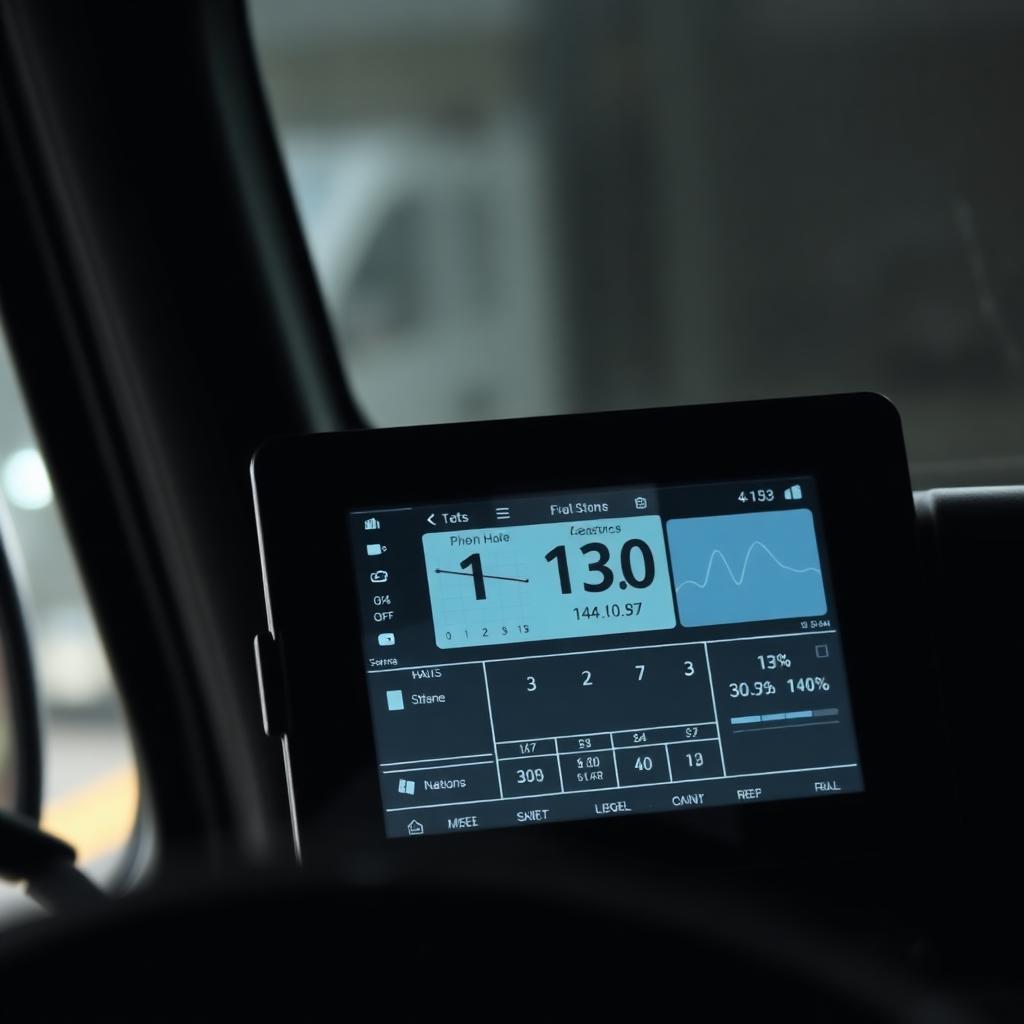
Electronic logging is federal law. The data it produces is also one of the most valuable assets a fleet has.
Federal law requires most commercial trucks to use an Electronic Logging Device to record Hours of Service automatically. The original purpose was driver safety: no more paper logs that could be fudged at the end of a long week. The secondary effect is that every modern truck now produces a continuous stream of telematics data — and that data is genuinely valuable.
A driver who runs legal hours is a driver who doesn't get the truck sidelined in a roadside inspection. Out-of-service violations cost real money — in fines, in lost revenue while the truck sits, and in CSA scores that affect the carrier's standing for years. ELDs make legal operation the default.
The same hardware that logs hours also tracks location, idle time, fuel burn, harsh braking, and engine fault codes. A well-run fleet uses that data to spot mechanical issues before they become breakdowns, route trucks more efficiently, and coach drivers on fuel-economy behavior. For an investor, telematics is the reason your dashboard can show where the truck is and how it's running — not in a monthly report, but right now.
More from Education
Compliance
Authority is the legal license to move freight. Here's what it is, who holds it, and why it matters to investors.
Read articleCompliance
Commercial insurance is layered. Here's a plain-language map of the coverage involved in a hot-shot operation.
Read articleIndustry Trends
Hot-shot is the most accessible corner of commercial freight. Here's how it works and why it matters.
Read article