
Investor Education
The True Cost of Operating a Hot-Shot Truck
Beyond the truck payment: a clear-eyed look at what it actually costs to keep a hot-shot truck on the road.
Read articleInvestor Education
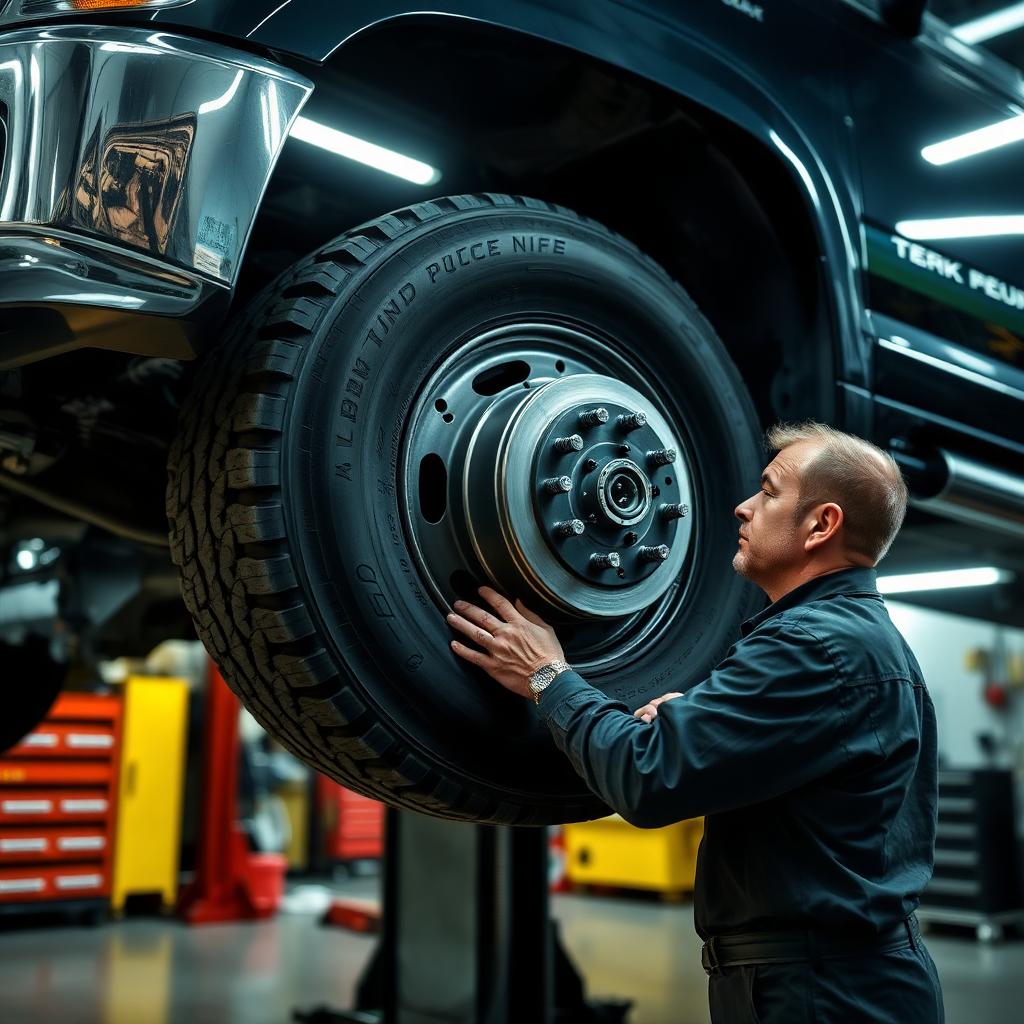
A truck that runs 2,500 miles a week wears parts. Smart owners set the money aside before they need it.
Maintenance is the line item that catches new truck owners off guard. The first six months are usually quiet — new tires, fresh brakes, recent service. Then, somewhere around the one-year mark, the bills arrive. Smart owners plan for that cycle from day one.
Maintenance is predictable in aggregate even when it's unpredictable in timing. Setting aside a per-mile reserve — collected weekly out of gross revenue — turns a $4,000 tire bill into a non-event. Without a reserve, the same bill becomes a cash crunch that interrupts driver pay or fuel.
Under the Grand Line model, a small per-mile maintenance reserve is funded each week before net is calculated. When the truck needs tires, brakes, or scheduled service, the reserve pays the bill. When the reserve grows beyond what the truck reasonably needs, the surplus can be distributed. The point is to make the unexpected expected.
More from Education
Investor Education
Beyond the truck payment: a clear-eyed look at what it actually costs to keep a hot-shot truck on the road.
Read articleInvestor Education
Truck ownership can be a real passive investment. It can also be a second job. Here's the difference.
Read articleInvestor Education
Every Friday, a statement lands. Here's how to read one quickly and know whether your truck had a good week.
Read article